Analyzing Synchronization Patterns Between User Activity Peaks and Promotional Timing Cycles Across Licensed Digital Slot Ecosystems
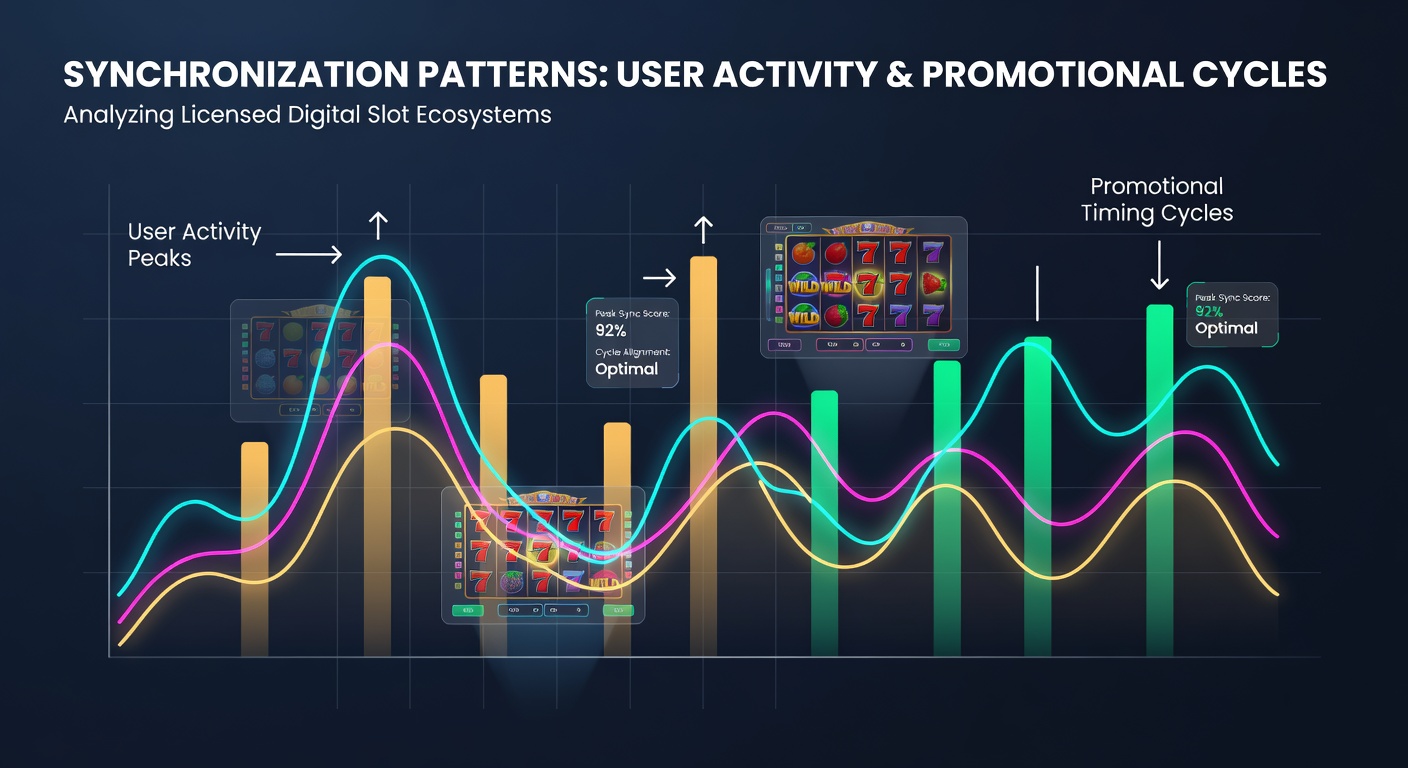
Operators in licensed digital slot ecosystems track user activity peaks through aggregated session data, deposit volumes, and spin counts collected across regulated platforms, while promotional timing cycles rely on scheduled bonus releases, free spin distributions, and loyalty multipliers that operators align with those peaks. Research indicates that evening hours between 7 PM and 11 PM local time often register the highest engagement levels in North American markets, whereas European jurisdictions show secondary surges during midday lunch periods and late-night windows after 10 PM. Those patterns emerge consistently from telemetry reported by platforms operating under frameworks such as the New Jersey Division of Gaming Enforcement and the Alcohol and Gaming Commission of Ontario, where monthly reports document how login timestamps cluster around certain hours.
Mapping Activity Peaks Across Jurisdictions
Activity peaks vary by region because of differences in work schedules, time zones, and cultural leisure patterns, yet licensed operators apply similar analytical tools to identify them. Data from multi-state operators in the United States reveals that Fridays and Saturdays produce the largest spikes in active users, with average session lengths extending 25 to 40 percent longer than weekday averages. In contrast, Australian platforms regulated by state authorities record elevated activity on Thursday evenings ahead of long weekends, while Canadian provincial systems note mid-week surges tied to salary deposit cycles. Analysts cross-reference these peaks against historical transaction logs to build predictive models that forecast when user density will exceed baseline thresholds by at least 30 percent.
Promotional Timing Cycles and Their Structure
Promotional timing cycles in licensed slot ecosystems follow structured calendars that operators update quarterly, incorporating fixed events such as weekend reload bonuses, mid-month loyalty resets, and seasonal campaigns tied to holidays. These cycles typically launch between 4 PM and 8 PM in the target time zone to overlap with rising user counts, while duration varies from 48-hour flash offers to week-long multiplier periods. Operators segment users by historical play frequency and deposit size so that notifications reach high-value cohorts first, then cascade to broader segments as activity metrics climb. Figures from platform operators show that when a promotion activates within 60 minutes of a documented activity peak, conversion rates for bonus claims increase measurably compared with off-peak launches.
Measuring Synchronization Through Data Layers
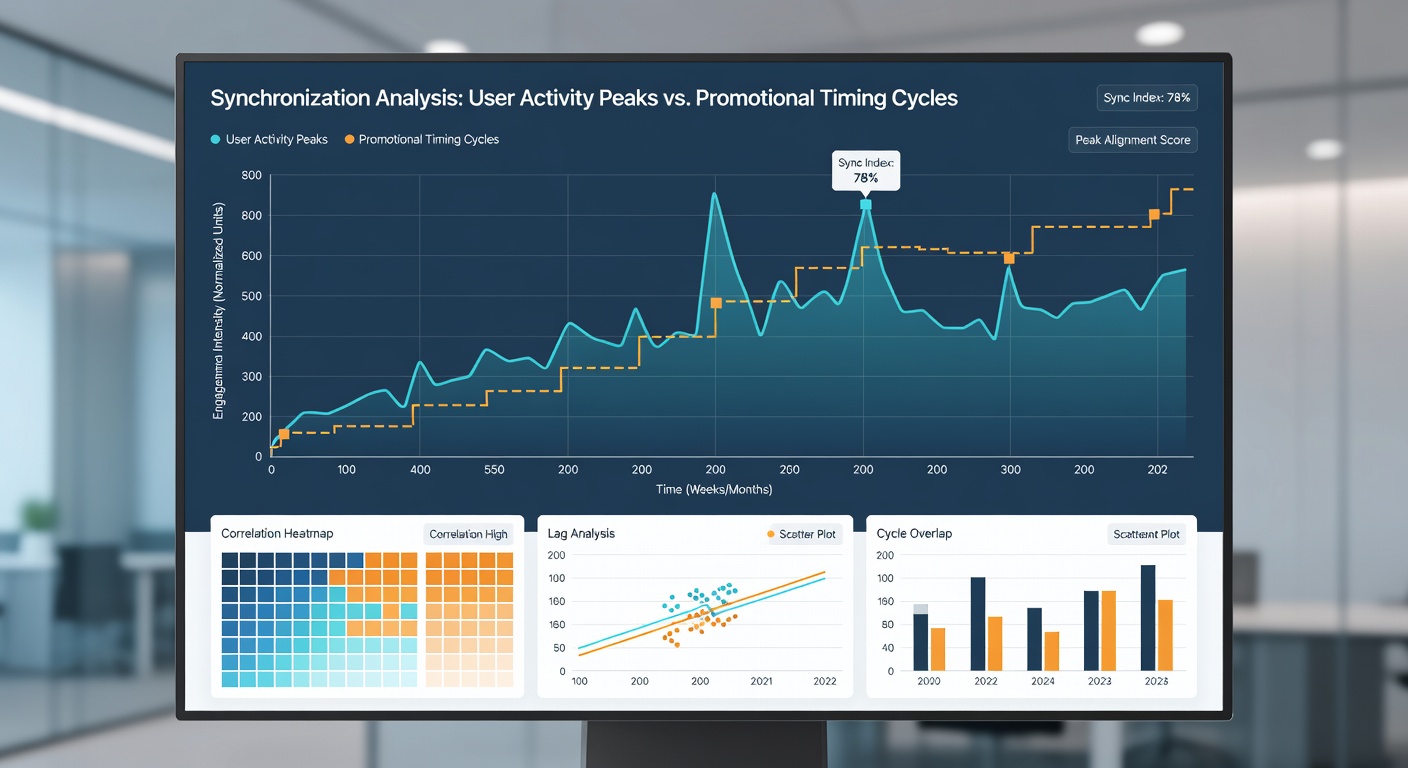
Synchronization analysis combines real-time dashboard metrics with post-cycle attribution reports that match timestamped user actions to specific promotional triggers. Platforms record every spin, deposit, and withdrawal against the exact minute a bonus banner appeared or an email landed, allowing statistical correlation between exposure timing and subsequent engagement. Researchers apply time-series regression to quantify lag intervals, often finding that the strongest alignment occurs when promotional messages reach users within 15 minutes of their first login during a peak window. In May 2026, several multi-jurisdictional operators released aggregated dashboards indicating that synchronized campaigns produced a 12 to 18 percent lift in handle during the initial four hours compared with campaigns launched outside peak windows.
Regional Variations and Regulatory Context
Regulatory frameworks shape how closely operators can synchronize promotions with activity peaks because advertising rules and responsible gaming limits differ across borders. In New Jersey, daily loss-limit reminders must accompany bonus offers, which sometimes delays message delivery by several minutes during high-traffic periods. Ontario requires that promotional communications include play-responsibility messaging that appears simultaneously with bonus terms, influencing the precise timing of push notifications. Australian state regulators mandate cooling-off periods between certain bonus types, which operators incorporate into cycle calendars so that successive offers do not overlap peak windows too closely. Despite these constraints, licensed platforms continue to refine timing algorithms that respect local rules while still targeting observed activity clusters.
Case Examples from Licensed Markets
One multi-state operator in the United States adjusted its Friday evening free-spin distribution to begin 45 minutes earlier after internal analysis showed that peak login volume started at 6:15 PM rather than the previously assumed 7 PM. Subsequent reporting indicated that the adjusted schedule captured an additional cohort of users who logged in during commute windows. In Ontario, a provincial platform shifted its Tuesday loyalty multiplier to align with a documented 2 PM activity bump linked to shift-worker schedules, resulting in higher redemption rates tracked through unique bonus codes. These adjustments illustrate how granular synchronization relies on continuous data feeds rather than static assumptions about user behavior.
Analytical Tools and Metrics Employed
Operators deploy heat-mapping software that overlays user-density graphs with promotional calendars, highlighting overlap percentages and identifying gaps where peaks occur without corresponding offers. Key performance indicators include time-to-claim after notification, average spins per session during the promotional window, and retention rates measured 24 and 72 hours post-campaign. Advanced systems incorporate machine-learning models that ingest weather data, sports-event schedules, and economic indicators such as payroll release dates to refine peak predictions beyond historical averages alone. Reports issued in May 2026 by several North American operators demonstrated that models incorporating external variables improved peak-forecast accuracy by roughly 8 percent compared with time-of-day models alone.
Conclusion
Synchronization between user activity peaks and promotional timing in licensed digital slot ecosystems rests on continuous collection of timestamped behavioral data, regulatory-compliant campaign calendars, and iterative adjustment based on measured outcomes. Jurisdictions including New Jersey, Ontario, and Australian states maintain distinct oversight mechanisms that influence exact delivery windows, yet operators across these markets apply comparable analytical frameworks to align offers with observed engagement clusters. As platforms release updated dashboards each quarter, the relationship between activity timing and promotional cycles continues to be quantified through correlation studies and attribution reporting that track handle, session length, and bonus redemption against precise activation moments.