Blockchain Verification Layers Reshape Jackpot Distributions in Global Progressive Slots
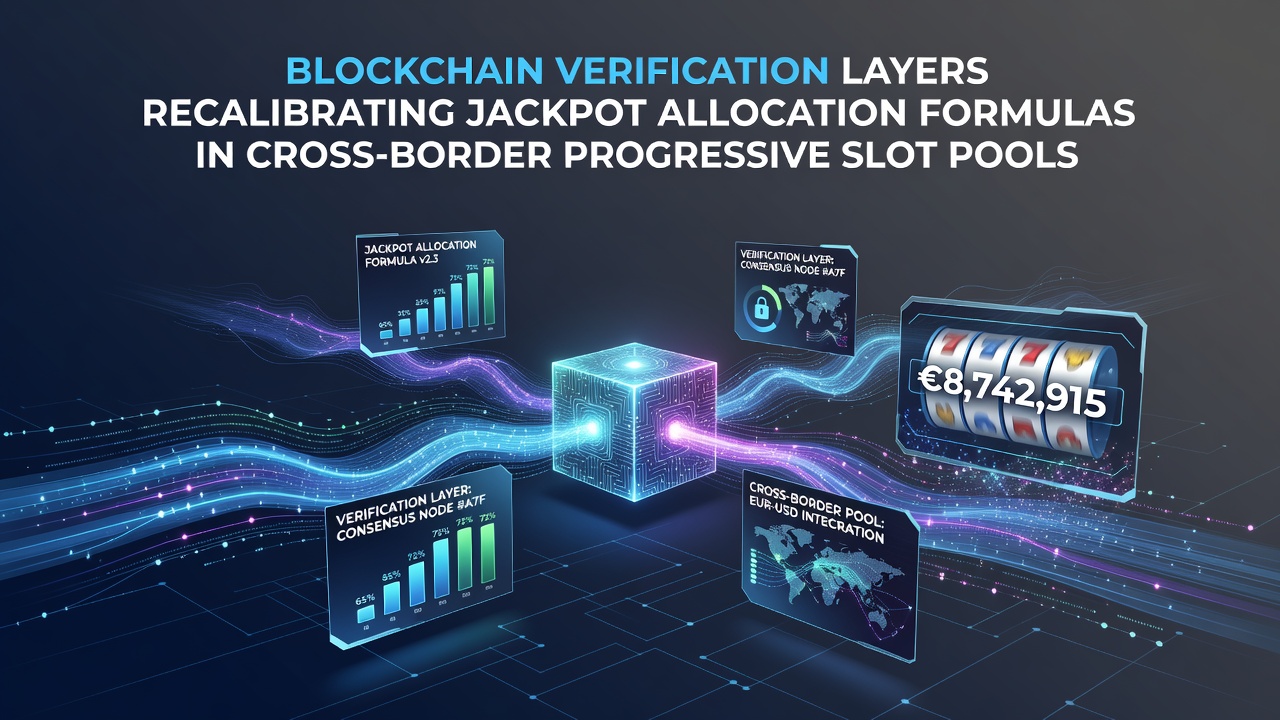
Cross-border progressive slot pools combine contributions from multiple jurisdictions into shared jackpots that grow with each qualifying bet and blockchain verification layers now supply the audit trails that recalibrate how those contributions translate into payout shares. Operators feed bet data into distributed ledgers where smart contracts confirm each transaction before the allocation algorithm adjusts the running total. This process replaces earlier centralized reconciliation steps that required manual cross-checks between separate casino management systems.
Mechanics of Progressive Pool Contributions
Traditional progressive systems recorded each wager on local servers then forwarded summary figures to a central controller at set intervals. Blockchain verification inserts an immutable timestamp and cryptographic signature at the moment a player places a qualifying bet so every participating site can see identical records without relying on periodic batch uploads. The ledger records the bet amount, currency denomination, player jurisdiction tag, and game identifier in a single block that subsequent nodes validate through consensus protocols.
Once validated, the data feeds directly into allocation formulas that previously operated on aggregated totals alone. The new inputs allow the formula to weight contributions according to verified regulatory status of each jurisdiction, exchange rates captured at the block time, and any local tax withholdings that must be reserved before the jackpot meter advances. Researchers at several European gaming institutes have documented how these additional variables alter the rate at which the meter climbs when traffic originates from high-tax versus low-tax regions.
Recalibration of Allocation Formulas
Allocation formulas determine what percentage of each bet increments the jackpot and what share of the final prize each participating site ultimately receives. With blockchain data available, operators now embed conditional logic that checks the verified jurisdiction tag before applying the increment rate. A bet originating from a jurisdiction that mandates a 15 percent reserve, for instance, triggers a smaller meter advance than an otherwise identical bet from a jurisdiction with no such requirement. The smart contract executes this adjustment automatically and writes the revised meter value back to the shared ledger.
Cross-border currency conversion adds another variable. Rather than relying on daily closing rates published by central banks, some networks now pull real-time exchange data from oracle services that themselves sit on the same blockchain. The formula therefore applies the rate recorded at the exact block height of the wager, eliminating disputes that once arose when operators used different snapshots of the same trading day. Data published by the Asia-Pacific Gaming Regulators Forum in early 2026 showed a measurable reduction in reconciliation disputes after networks adopted this timestamped rate mechanism.
Implementation Patterns Observed Through Mid-2026
By June 2026 several major networks had completed multi-phase rollouts that linked progressive meters across operators in Australia, Canada, and select European markets. Each network publishes a public dashboard displaying the current meter value alongside the most recent block height and the jurisdiction breakdown of the latest contributions. Regulators in those markets receive read-only access keys that allow them to query the same ledger without exposing player identities. The dashboards reveal that the proportion of contributions from Australian sites has risen relative to European sites since the verification layer went live, a shift operators attribute to differences in average bet sizes rather than changes in player volume.

The shift also affects how operators forecast reserve requirements. Because the ledger supplies granular, time-stamped data, finance teams can model cash-flow needs with greater precision and avoid over-reserving funds that could otherwise support marketing or game development. One Canadian operator reported that its quarterly reserve calculations now incorporate a 90-day rolling average derived directly from ledger exports, replacing the previous 180-day manual sample.
Regulatory and Technical Considerations
Regulators require that any system affecting prize allocation remain auditable for a minimum number of years. Blockchain ledgers satisfy this requirement by design because every block carries a hash that links it to the preceding block, creating a chain that cannot be altered retroactively without detection. Several North American gaming control boards have accepted cryptographic hash chains as primary evidence during routine audits, provided the network also maintains off-chain backups of the same data.
Technical standards groups have begun publishing interoperability specifications that define the minimum data fields each jurisdiction must include in its contribution message. These specifications list required fields such as local currency code, applicable tax rate, and game volatility classification so that allocation formulas across different networks can process incoming data consistently. The specifications also outline procedures for handling orphaned blocks or temporary network partitions, ensuring that a bet recorded on one side of a split does not create duplicate meter advances once the chain reconciles.
Conclusion
Blockchain verification layers supply the shared source of truth that allows cross-border progressive slot networks to recalibrate jackpot allocation formulas in real time. The technology records each contribution with jurisdiction-specific attributes, applies conditional weighting through smart contracts, and produces an auditable trail that regulators and operators can query independently. As additional markets integrate these layers through 2026, the formulas continue to evolve around the verified data streams rather than aggregated summaries, producing allocation outcomes that reflect the precise regulatory and currency conditions under which each bet was placed.