Geolocation Technology Reshapes Access Rules Across Regional Sports Wagering Platforms

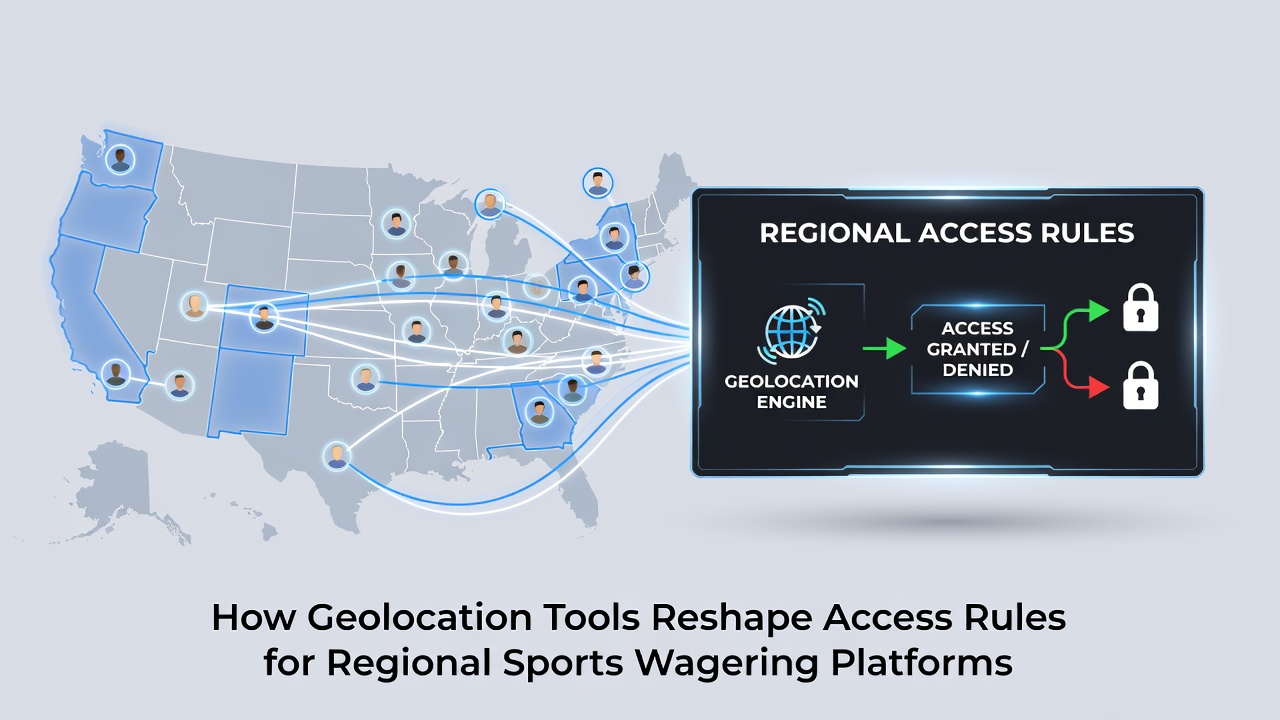
Regional sports wagering platforms rely on geolocation tools to enforce strict access boundaries that shift with each jurisdiction's laws, and operators must verify user locations in real time to stay compliant. These systems combine GPS coordinates, Wi-Fi network data, and IP address checks to confirm whether a bettor sits inside an approved area, while any movement outside that zone triggers immediate blocks on new wagers or account features.
Core Mechanisms Driving Location Verification
Platforms integrate multiple data layers because single-point checks often fail under varying network conditions, and providers such as GeoComply or XPoint deliver continuous monitoring that updates every few seconds during active sessions. When a user opens the app or website, the software cross-references satellite signals against known cellular tower locations, then compares those results with the device's registered Wi-Fi signature to reduce false positives from VPN attempts or spoofed addresses. Data indicates that such layered verification now processes millions of location queries daily across major U.S. markets, and similar frameworks appear in Canadian provinces where provincial regulators require proof of in-province presence before any sports event wager processes.
State-Level Rule Adjustments in the United States
Access rules differ sharply between neighboring states because each legislature sets its own licensing and geofencing requirements, and operators adjust their platforms accordingly. New Jersey maintains a 100-foot tolerance band around state borders for certain events while Pennsylvania demands stricter coordinate matching that excludes users within a quarter-mile of the Delaware line, and these variations force platforms to maintain separate rule engines for each market. Figures from state revenue reports show that geolocation compliance upgrades in 2025 correlated with smoother license renewals, whereas platforms that lagged behind faced temporary suspension notices until their systems passed fresh audits.
International Examples of Boundary Enforcement
Australian states apply similar principles through the Interactive Gambling Act amendments, where operators must block accounts the moment a device crosses into an offshore jurisdiction, and regulators in Victoria and New South Wales conduct random spot checks that include device logs and timestamped location data. In the European Union, member states such as Spain and Italy require real-time reporting of blocked attempts to their respective gaming authorities, creating audit trails that stretch back through every verified session. Observers note that these international differences create technical overhead for global operators, yet the same core geolocation stack adapts across borders once local coordinate databases receive updates.
Developments Observed Through July 2026
By July 2026 several U.S. states had expanded their approved geolocation vendor lists to include newer entrants that incorporate 5G network triangulation, and early adopters reported fewer service interruptions during peak sports seasons. Canadian provinces simultaneously introduced mandatory annual testing protocols that simulate border crossings with test accounts, revealing that some legacy systems still allowed brief access windows before triggering blocks. Industry reports from the European Gaming and Betting Association highlight parallel testing cycles in Germany and the Netherlands, where updated rules now require operators to log every failed location attempt for at least 18 months. These synchronized updates across regions demonstrate how geolocation standards continue to tighten even as the underlying technology matures.
Operational Impacts on Platform Design
Developers must embed rule engines that reference live regulatory databases rather than static maps, and any change in a state's boundary definition triggers an automatic software push that pauses betting until the update completes. Account teams receive alerts when users approach jurisdictional edges repeatedly, prompting proactive messages that explain upcoming access changes without revealing sensitive coordinate logic. Research from academic groups studying digital compliance shows that platforms employing predictive location modeling reduce user friction during events that cross time zones, because the system anticipates movement patterns based on historical device data rather than reacting only after a boundary breach occurs.
Conclusion
Geolocation tools have become the primary mechanism that translates regional sports wagering laws into enforceable digital boundaries, and operators who maintain flexible, multi-layered verification systems adapt more readily when rules shift. Continued refinement of these technologies, alongside coordinated testing schedules in multiple jurisdictions, supports consistent access control while meeting evolving compliance standards through 2026 and beyond.